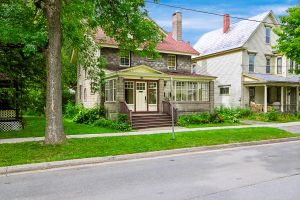
Fredericton is full of beautiful older and historic homes, from the tree-lined streets downtown to established neighbourhoods across the city. These homes have character you just can’t build today: solid wood trim, high ceilings, and a real sense of history. But older homes also come with their own set of things to check before you buy. Here’s what our team recommends every buyer look at closely.
Knowing if the Electrical Is Up to Date
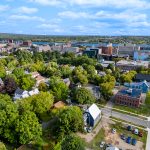
Many older homes in Fredericton were originally wired with knob and tube, an early wiring system that was common in the first half of the 1900s. A lot of these homes have since been fully rewired, but not all of them have. In some cases, part of the original wiring is still in place behind walls or in the attic.
Knob and tube wiring isn’t grounded and wasn’t designed for the electrical loads of a modern household, and many insurance companies will not cover a home that still has it. Before you firm up on an older home, find out whether the electrical has been updated, how much of it was done, and whether there’s paperwork from a licensed electrician to show it.
Find Out How Much of the Plumbing Is Cast Iron
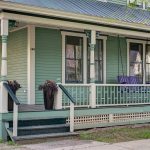
Cast iron was a standard material for drain and sewer pipes in older homes. It can last a long time, but over the decades it can corrode, crack, or build up on the inside, which can lead to leaks and backups.
Insurance companies often don’t like cast iron plumbing, and some may ask for it to be replaced or limit coverage until it is. It’s worth knowing how much cast iron is left in the home, what condition it’s in, and talking to your insurance provider early in the process so there are no surprises before closing.
Are Uneven Floors a Red Flag?
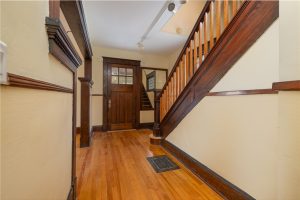
Not necessarily. Many older Fredericton homes were built with large, solid wood beams that are often stronger than the lumber used in homes today. But these homes were built without modern tools like laser levels and factory-cut lumber. Beams were often cut and fitted by hand, and the houses were framed by eye and experience. So a slight slope or dip in the floor may have been there from the very beginning, not a sign that something has gone wrong.
Over the decades, older homes also settle naturally as the wood dries and the house adjusts to its foundation. A floor that has been a little out of level for 100 years is often just part of the home’s character.
The key is knowing the difference between old-fashioned quirks and real problems. A good home inspector, ideally one experienced with older homes, can check the beams and supports for signs of rot, moisture, insect damage or ongoing movement, and tell you whether the unevenness is cosmetic or something that needs attention.
What does a Heritage Designation mean?
It means you’ll likely need the City’s approval before making certain changes to the property. Some (but not all!) of downtown Fredericton is in the St. Anne’s Point Heritage Preservation Area. Within the City’s preservation areas, owners need a Certificate of Appropriateness from the City’s Preservation Review Board before doing work covered by the Preservation By-law. That applies even if you already have a building or demolition permit. The goal is to protect the historic and architectural character that makes these streets special.
In practice, plans like new windows, siding, a porch rebuild, an addition or demolition may need to go through this review first. That can affect your timeline, your budget and which materials you’re allowed to use. Some properties are also individually listed on Fredericton’s Local Historic Places Register, which is separate from being located in a preservation area.
For many buyers, these protections are a big part of the appeal: the character of the neighbourhood around you is protected too. The key is knowing before you buy.
Hire a Good Home Inspector
A good home inspector is one of the most valuable people you can have on your side when buying an older home. An experienced inspector can help determine whether uneven floors are simply part of the home’s age or something that needs attention, and can also look at the electrical, plumbing, roof, foundation, and more. Choosing an inspector who is familiar with older and historic homes can make a real difference.
Thinking About Buying an Older Home?
Older and historic homes can be a wonderful investment and a great place to call home when you know what you’re getting. Our team can help you understand what to look for, connect you with trusted professionals, and guide you through every step of the process. Reach out today to get started!
